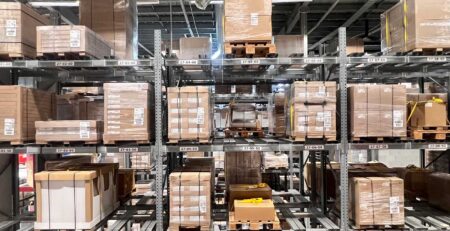

Freight keeps Australia moving.
Australia’s domestic freight task is projected to grow around 26 per cent between 2019-20 and 2049-50, and road freight is set to carry much of that growth as trucks, drivers and delivery distances increase across the network. NSW alone recorded its highest ever volume of road freight activity in recent years, a sign of just how much freight now moves through this state on any given week.
Alongside that growth sits a web of rules that shape how freight can legally and safely move around the country. Heavy vehicle mass and dimension limits, loading standards and route access conditions all play a part in how a shipment travels from pickup to delivery. Layered on top of these rules are the commercial factors that decide what you actually pay for a freight quote.
Many business owners assume freight pricing comes down to distance alone. Distance matters, but it’s only one part of a bigger picture. In this post, we’ll walk you through seven factors that genuinely affect what you pay for freight in Australia, and how working with an established team can help you get honest pricing without back and forth guesswork.
Seven Factors That Shape Your Freight Quote
1. Distance and Route Complexity
Distance is the most obvious factor, and it does have a real impact on price. A run from Sydney to Melbourne uses a well serviced corridor with regular trucks and steady demand in both directions. A delivery from Sydney to Perth covers a much longer stretch of the country with fewer return loads available, so the cost per kilometre tends to rise.
Further, route complexity adds another layer on top of raw distance. A delivery down a quiet country road, through a mountain pass, or into an area with seasonal road closures will usually cost more than a straightforward metro to metro run, even if the total kilometres are similar.
2. Weight, Size and Freight Class
Carriers price freight based on how much space and how much weight a shipment takes up on a vehicle. A large but light item can take up as much deck space as a heavy one, so pricing often reflects whichever measure, weight or volume, results in the higher figure.
Freight class also plays a role. Fragile, high value or awkwardly-shaped items are grouped differently to dense, stackable freight because they take more care and more space to transport safely.
3. Freight Type and How It Changes Your Price
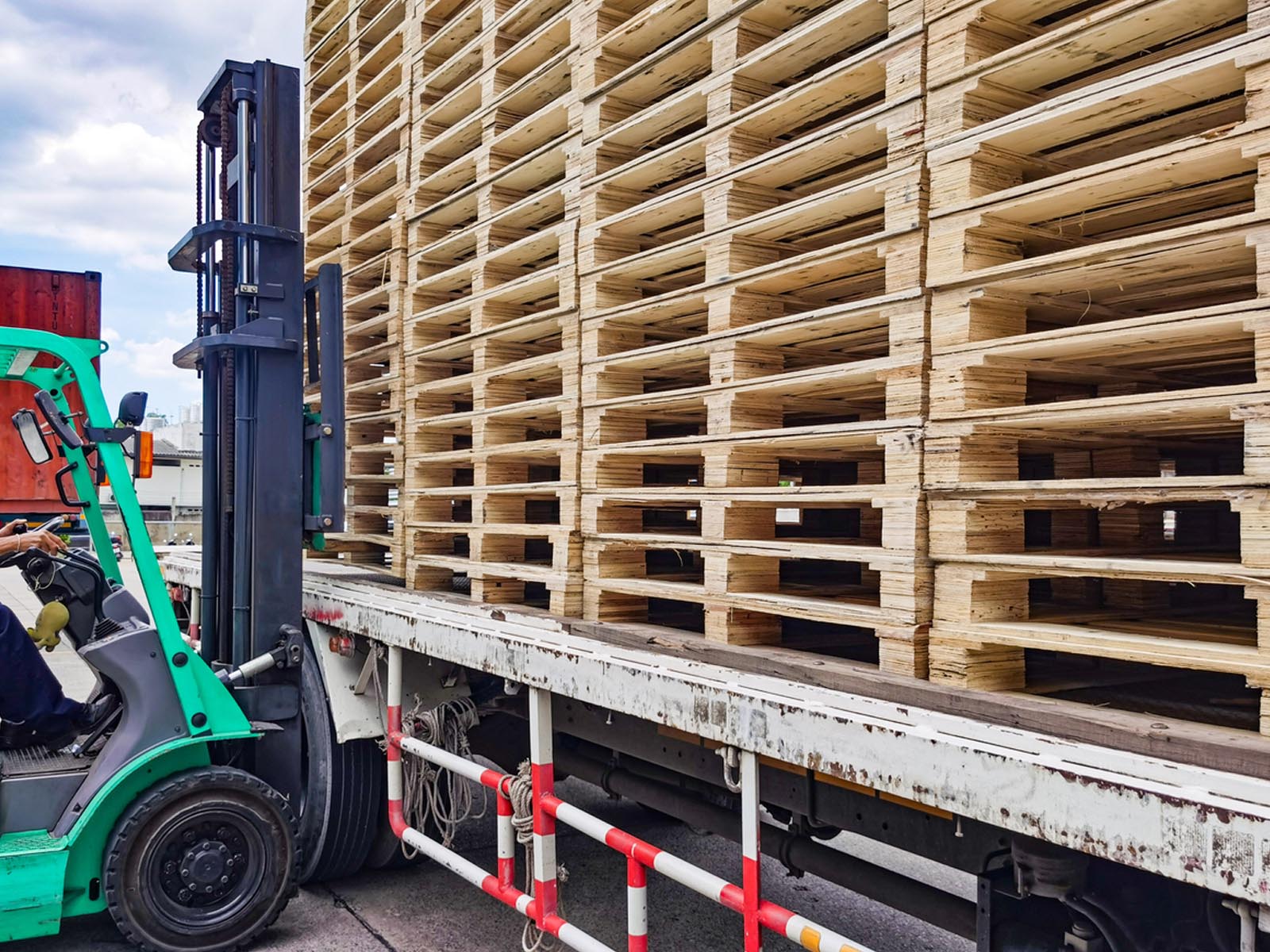
Not all freight behaves the same way on a truck, so the type of goods you are sending can have a direct effect on the quote.
Pallet Transport
Pallet transport is often one of the most cost-effective ways to move stock between states because pallets are easier to load, stack, secure and transfer through freight networks. Our guide to pallet transport in Australia explains how pallet size, weight and preparation can influence pricing.
Full Loads
Full loads are priced differently because the entire vehicle is allocated to one shipment rather than shared with freight from other customers. The final price will depend on the vehicle required, the route and the amount of capacity used.
Wide Loads
Wide loads and other oversize items may require permits, escorts, route planning or specialised trailers. These extra requirements can increase both the cost and the lead time.
Containers
Containers involve their own transport and handling arrangements. Pricing may be affected by the container size, collection point, delivery location and whether cranes, forklifts or side loaders are needed at either end.
Ugly Freight
Ugly freight is the term often used for goods that do not fit neatly into a standard freight category. This may include machinery, irregularly shaped equipment, long materials or items that need custom restraint. Our guide to ugly freight explains what commonly falls into this category and why these loads are usually assessed on a case-by-case basis.
4. Access and Handling Requirements
Where your freight is picked up and delivered matters just as much as where it’s going. A site with a loading dock, forklift access and generous opening hours is far simpler to service than a residential address with a narrow driveway or a construction site with restricted entry times. Your freight carrier needs accurate information about access at both ends so the right vehicle and equipment are booked from the start.
Safe loading is also a legal requirement. Under the Heavy Vehicle National Law, a load must be placed so the vehicle stays stable, secured so it isn’t likely to shift or fall, and restrained using an appropriate system, as outlined in the NHVR’s loading requirements. Getting the details right at the quoting stage helps avoid delays or extra charges further down the track.
5. Delivery Timing and Urgency
Standard road transport is usually the most cost effective option, but it isn’t always the fastest.
If you need an interstate freight quote for a delivery with a fixed deadline, such as stock that has to land before a store opens or a part that’s needed on site by a certain day, expect to pay more for priority handling. Faster services use earlier departures, tighter connections and sometimes a dedicated vehicle rather than a shared load, all of which add cost. If timing is flexible, it’s worth asking what you can save by allowing a wider delivery window. Our article on interstate freight delays and timing explains typical transit times and what tends to cause hold ups along the way.
6. Seasonal Demand and Network Capacity
Freight pricing shifts with the calendar.
Christmas, end of financial year and major retail sales periods all increase demand for trucks and drivers at the same time, which puts pressure on capacity and pushes prices up. Harvest season in regional areas can have a similar effect on rural routes.
Booking ahead where possible gives your freight partner more room to plan a route efficiently, rather than scrambling to find space on a truck at short notice.
7. Fuel Costs and Surcharges
Fuel is one of the largest ongoing costs in road transport, and most carriers apply a fuel surcharge on top of the base freight rate to account for changes in diesel prices. This surcharge is usually reviewed on a regular cycle and tied to a published fuel price index, so it moves up or down as the market shifts.
It’s worth asking any carrier how their surcharge is calculated and how often it’s reviewed, since this affects the total cost of a shipment even when the base rate stays the same.
Why a Freight Partner Makes Pricing Simpler

With so many variables at play, it’s easy to see why two quotes for what looks like the same job can come back with different numbers.
An experienced freight management partner takes the details of your shipment, such as pickup and delivery locations, weight, dimensions, freight type and timing, and matches them to the right carrier and service level. Instead of chasing multiple quotes and trying to compare like for like, you get one point of contact who understands your freight and can explain what’s driving the price.
What to Have Ready Before You Request a Quote
Providing full details upfront leads to a more accurate quote and fewer surprises later. Before you get in touch, it helps to have the following on hand.
- Pickup and delivery postcodes, along with any access restrictions at either site
- Accurate weight and dimensions, or a description of the items if you’re not sure
- How the freight will travel, such as loose cartons, a pallet, a full load or a container
- Any special handling requirements, such as fragile goods, hazardous materials or oversize items
The more detail you can share, the more confidently we can recommend the right option for your route.
Ready to Get Your Freight Sorted?
At On Time Freight Management, we work across pallets, full loads, wide loads, containers and ugly freight for businesses right across Australia, from Sydney warehouses to regional operations in places like Wagga Wagga. Our team matches your shipment to the most suitable carrier and service, so pricing reflects what your freight actually needs rather than a generic rate.
If you’re ready to move pallets, full loads, wide loads, containers or awkward freight anywhere in Australia, our Sydney based team is here to help. Request your free quote today and we’ll put together pricing that reflects exactly what your freight needs.